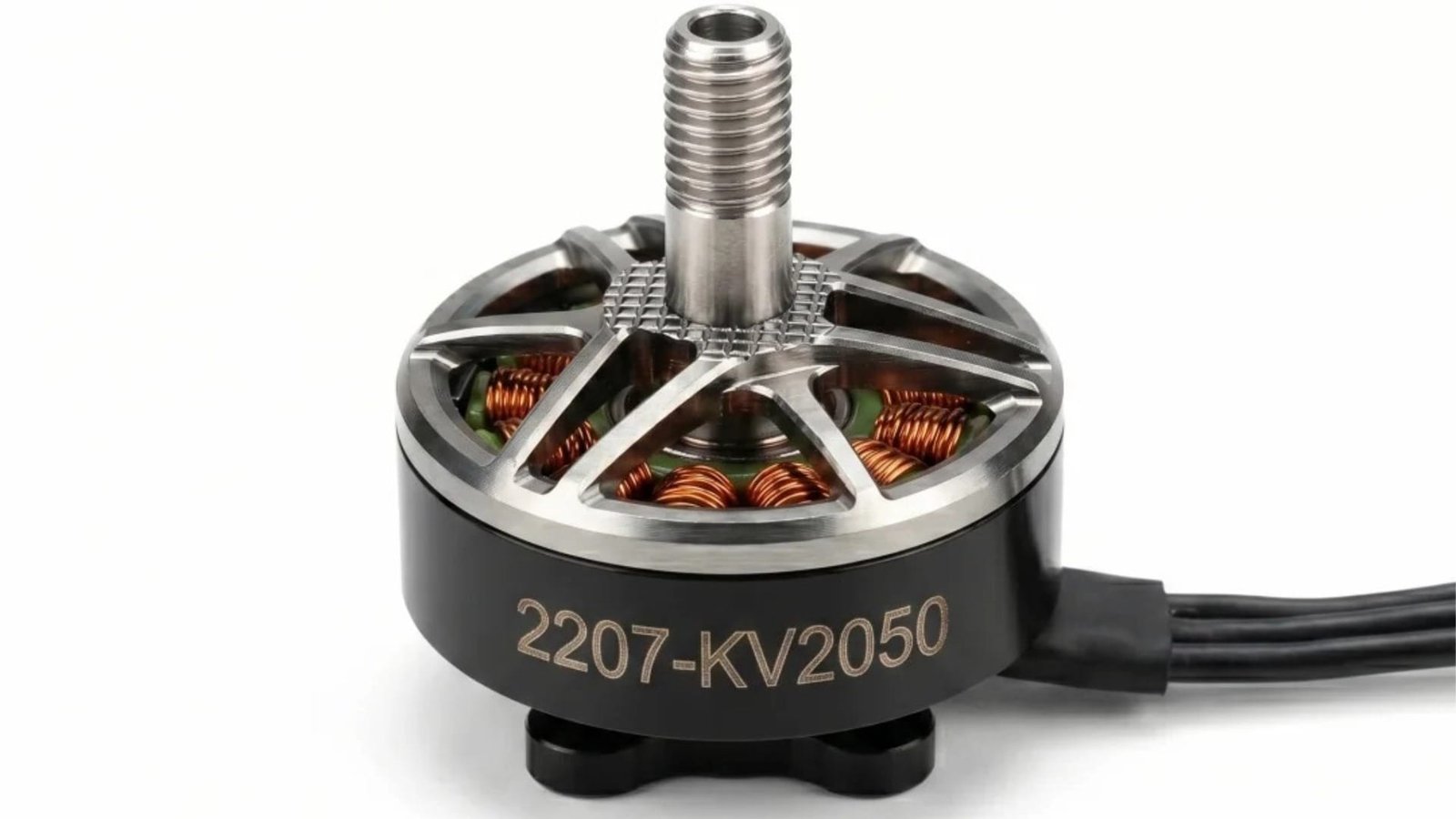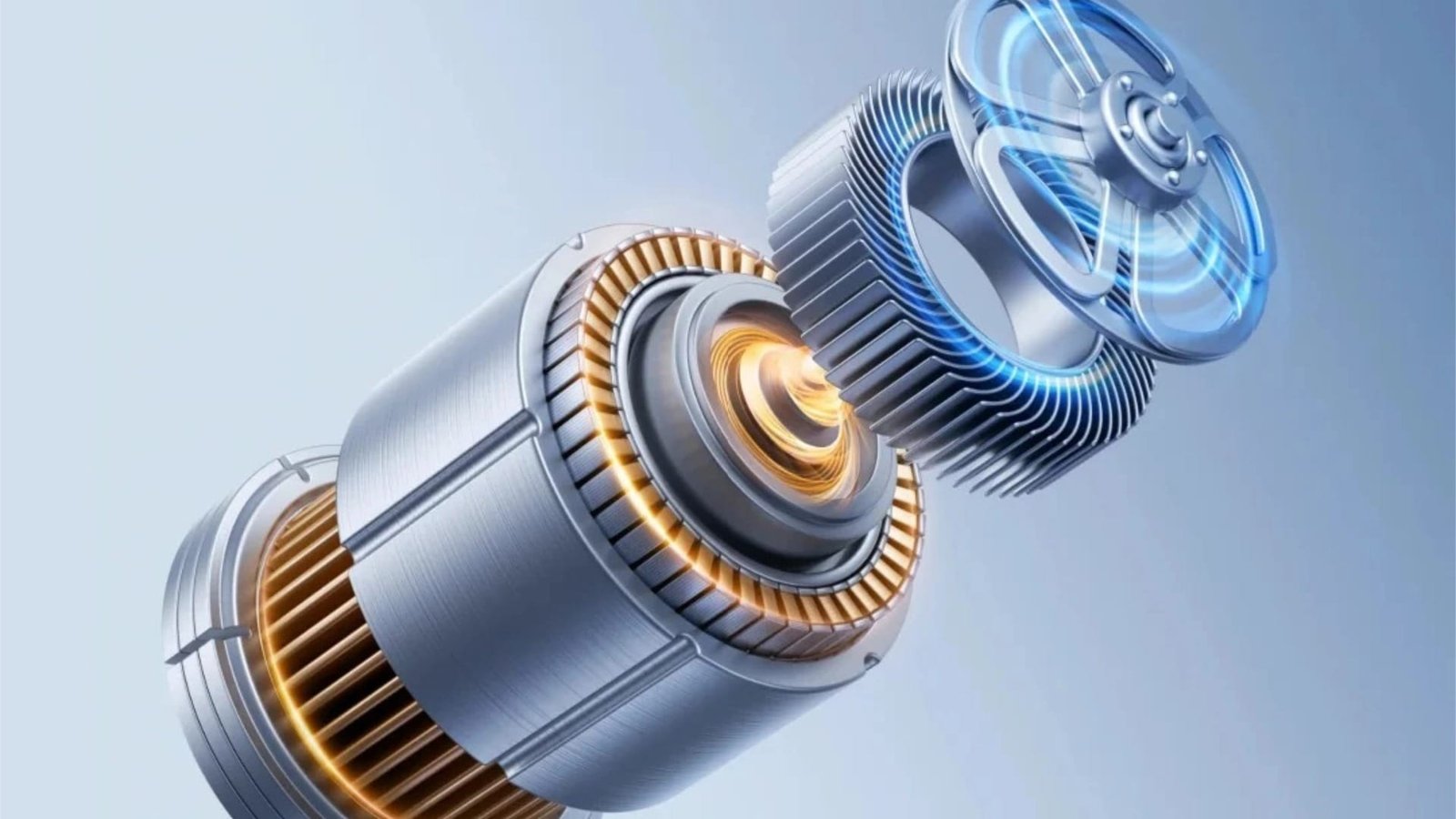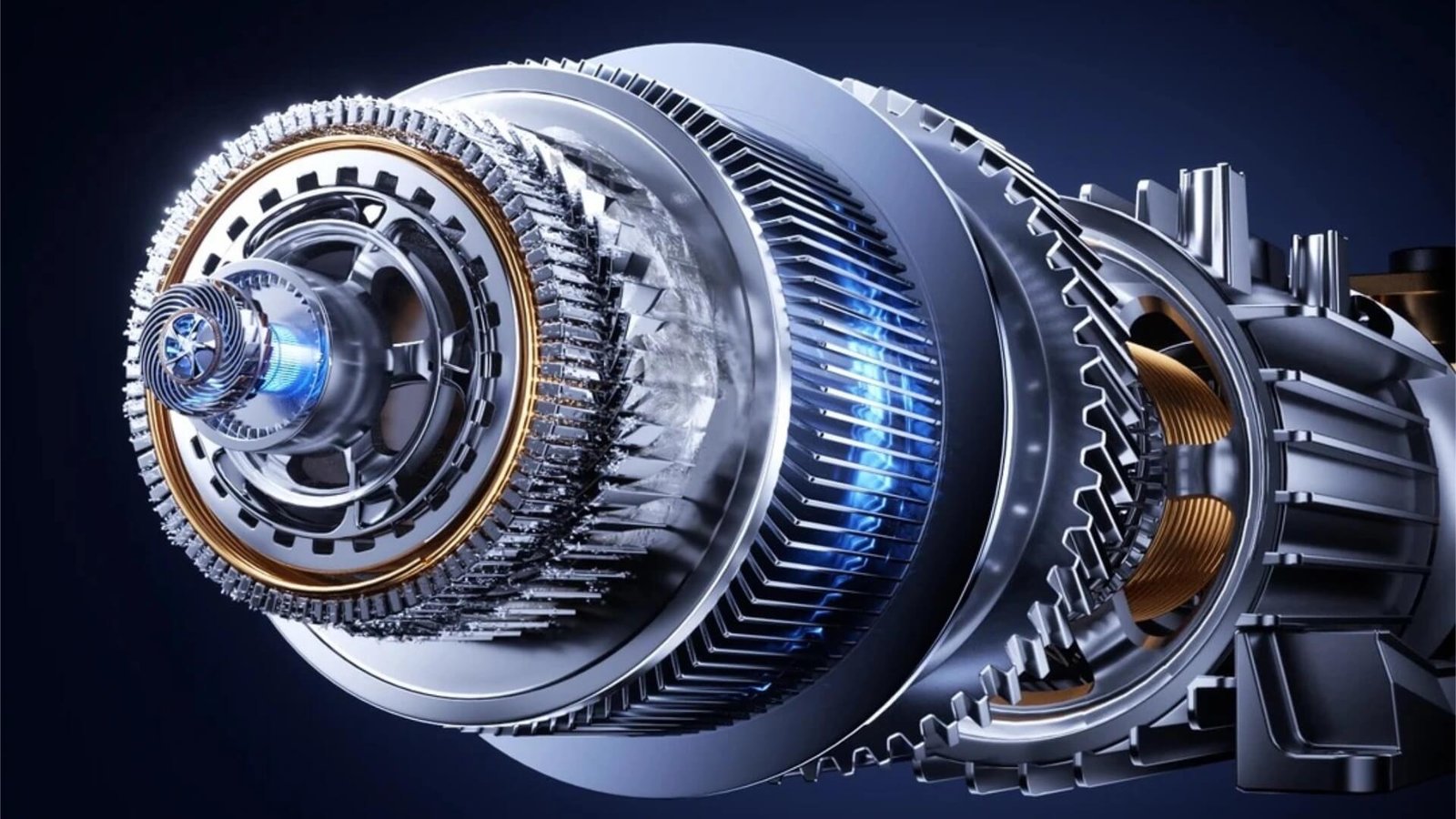
Every precision-stamped stator and rotor lamination begins with a tool that must withstand millions — sometimes hundreds of millions — of high-speed impacts against abrasive silicon steel. The material from which that tool is made is the single most important factor determining die life, part accuracy, maintenance intervals, and total cost of ownership. In the world of motor core stamping dies, material science is not an abstract academic subject; it is the foundation of a competitive, profitable manufacturing operation.
This article explores the materials that dominate motor lamination die construction: tungsten carbide grades, high-alloy tool steels, and the advanced surface coatings that bridge the gap between the two. We’ll examine the metallurgy, the property trade-offs, and the practical selection criteria that help motor manufacturers and die builders achieve the elusive goal of consistent, high-quality production beyond 100 million strokes.
1. Why Material Selection Matters in Motor Core Dies
A motor core progressive die typically contains dozens of precision components — punches, die inserts, stripper plates, guide pins, and die buttons — each experiencing different stress, wear, and thermal conditions. Choosing the right material for each component is critical because:
- Cutting edges must resist abrasive wear from silicon steel, which contains hard intermetallic phases and an electrically insulating surface coating that acts as a mild abrasive.
- Punches are subject to high cyclic compressive and tensile stresses, which can cause fatigue cracking, chipping, or, in extreme cases, catastrophic fracture.
- Dimensional stability is paramount. A die that changes shape even by a few microns due to thermal expansion or residual stress relaxation will produce out-of-tolerance parts.
- Heat generation at high stamping speeds (400–600 strokes per minute) demands materials that retain hardness and toughness at elevated temperatures.
The three primary classes of material used in high-performance motor lamination dies are:
- Tungsten carbide (WC-Co cemented carbide)
- High-alloy cold work tool steels (such as D2, SKD11, DC53, and powder-metallurgy grades like ASP23, VANADIS 4, CPM 10V)
- High-speed steels (such as M2, M4, and powder-metallurgy variants)
Each has a distinct place, and the most successful dies often use a hybrid material strategy — carbide at the cutting edge, tool steel for structural support.
2. Tungsten Carbide: The Gold Standard for Long-Run Motor Core Dies
What is cemented carbide?
Cemented carbide, commonly called “tungsten carbide” or simply “carbide,” is a composite material consisting of hard tungsten carbide (WC) grains (typically 0.5–5 µm in size) embedded in a softer, tougher cobalt (Co) metal binder. The WC grains provide hardness and wear resistance, while the cobalt binder contributes toughness. This combination yields a material with hardness values of 88–94 HRA (roughly equivalent to 1500–2200 HV), far surpassing the 58–64 HRC of even premium tool steels.
Key properties for motor core stamping
| Property | Tungsten Carbide (WC-6Co) | Tool Steel (D2, 60 HRC) |
|---|---|---|
| Hardness | 90–92 HRA | 60–62 HRC (~700 HV) |
| Transverse Rupture Strength (MPa) | 2000–3500 | 2500–4000 (higher toughness) |
| Young’s Modulus (GPa) | 550–650 | 200–210 |
| Thermal Conductivity (W/m·K) | 70–100 | 20–25 |
| Coefficient of Thermal Expansion (10⁻⁶/°C) | 5–6 | 11–12 |
The exceptionally high elastic modulus (stiffness) of carbide means punches and dies deflect less under load, maintaining precise cutting clearances. Its thermal conductivity is 3–4 times that of tool steel, helping to dissipate frictional heat into the die structure. And its low thermal expansion coefficient closely matches that of the steel die set, reducing thermal mismatch stresses.
Carbide grades: The grain size and cobalt balance
Not all carbide is equal. The performance of a motor core die insert depends critically on the choice of WC grain size and cobalt content.
- Sub-micron grades (0.5–0.8 µm WC grain): Provide the highest hardness (92–94 HRA) and wear resistance. They are ideal for cutting edges that must remain sharp during long runs on thin-gauge (0.20–0.35 mm) silicon steel. However, they are more brittle and require careful handling to avoid chipping.
- Ultrafine grades (0.2–0.5 µm): A newer generation of carbide that further improves hardness while maintaining adequate toughness. Used in the most demanding EV motor core dies.
- Medium-grain grades (1.0–2.0 µm): Offer a balanced compromise between wear resistance and toughness. Often specified for thicker laminations (>0.5 mm) or interrupted cuts.
- Coarse-grain grades (>2.0 µm): Prioritize toughness, useful for components subject to impact, such as heading punches or forming stations, though rare in pure cutting applications.
Cobalt content typically ranges from 6% to 12% by weight. Lower cobalt (6–8%) yields higher hardness and wear resistance; higher cobalt (10–12%) increases toughness. For high-speed progressive dies stamping thin electrical steel, a carbide with 6–8% cobalt and sub-micron grain size is the most common recommendation. For compound dies or applications where chipping is a concern, a 9–10% cobalt medium-grain grade may be preferred.
Hip-sintered (Hot Isostatic Pressed) carbide is a must for large die inserts. The HIP process eliminates internal microporosity, ensuring consistent mechanical properties throughout the insert — a critical quality control factor we verify on every tool in our Quality Control department using ultrasonic and dye-penetrant inspection.
Internal link: For more on how carbide dies are manufactured and inspected, visit our dedicated Tungsten Carbide Stamping Die service page.
3. Tool Steels: The Workhorses for Prototype to Medium-Volume Production
While carbide dominates high-volume EV motor production, high-alloy tool steels remain essential for many motor core dies — particularly for prototype tools, compound dies, and structural die components.
Conventional ingot-cast tool steels
D2 (1.2379 / SKD11): A high-carbon, high-chromium cold work tool steel with excellent wear resistance due to a high volume of primary chromium carbides. It is widely available, relatively low-cost, and offers good dimensional stability in heat treatment. However, its large, blocky carbides can cause edge chipping in thin-gauge applications, and its toughness is inferior to powder-metallurgy alternatives.
DC53 (1.2379 mod): An improved version of D2 with reduced carbon and chromium and the addition of molybdenum, resulting in finer carbides, improved toughness, and better machinability. Often used for punches and die inserts in medium-volume motor core dies.
Powder metallurgy (PM) tool steels
PM tool steels are produced by atomizing molten steel into fine powder, which is then hot isostatically pressed into fully dense billets. The result is a steel with an extremely uniform, fine carbide distribution and no segregation — a quantum leap over conventional ingot metallurgy.
ASP23 / VANADIS 4 / CPM 10V: These are high-vanadium PM cold work steels with exceptional wear resistance and good toughness. Vanadium carbides are harder than chromium carbides, providing superior abrasion resistance against silicon steel’s insulating coating. They are often specified for high-wear punches and die inserts in progressive dies running 50–100 million strokes, where the cost of carbide cannot be justified.
ASP60 / VANADIS 10: Ultra-high vanadium PM steels (up to 10–12% vanadium) that approach carbide-like wear resistance while retaining steel’s toughness and machinability advantages. These are niche materials for extreme-wear applications.
High-speed steels (HSS)
M2 and M4 high-speed steels retain high hardness at elevated temperatures and are sometimes used for punches in high-speed stamping where frictional heating is significant. However, their wear resistance is generally inferior to PM cold work steels and they are not commonly used for primary cutting components in motor core dies.
The role of heat treatment and deep cryogenics
Tool steel performance is heavily influenced by heat treatment. For motor core die components, the standard sequence includes:
- Austenitizing and quenching to form martensite.
- Multiple tempers to relieve stress and transform retained austenite.
- Deep cryogenic treatment (−185°C) between quenching and tempering to convert retained austenite to martensite and precipitate fine eta-carbides. This can increase wear resistance by 20–50% and improve dimensional stability.
Our Die Design & Engineering team specifies heat treatment protocols for every component, and our Precision Manufacturing facility incorporates cryogenic treatment as a standard option for all tool steel cutting components.
4. Advanced Coatings: The Force Multiplier
Surface coatings bridge the gap between tool steel affordability and carbide-like performance. Even carbide components benefit from coatings, which reduce friction, prevent galling, and act as a thermal barrier.
PVD coatings for motor core dies
Physical Vapor Deposition (PVD) coatings are applied at relatively low temperatures (200–500°C), preserving the substrate’s heat-treated hardness.
| Coating | Hardness (HV) | Friction Coefficient | Max Service Temp | Best Use Case |
|---|---|---|---|---|
| TiN (Titanium Nitride) | 2200–2500 | 0.4–0.5 | 500°C | General purpose, reduces adhesion |
| TiCN (Titanium Carbonitride) | 2800–3200 | 0.2–0.3 | 400°C | High abrasion resistance, thin-gauge Si-steel |
| TiAlN (Titanium Aluminum Nitride) | 3000–3500 | 0.3–0.4 | 800°C | High-speed stamping, thermal barrier |
| AlCrN (Aluminum Chromium Nitride) | 3200–3600 | 0.3–0.4 | 900°C | Extreme high-speed, oxidation resistance |
| CrN (Chromium Nitride) | 1800–2200 | 0.1–0.2 | 700°C | Anti-galling, adhesive-backed Si-steel |
| DLC (Diamond-Like Carbon) | 2500–5000 | 0.05–0.1 | 350°C | Lowest friction, ultra-thin gauge, anti-pickup |
For motor core stamping dies running thin-gauge silicon steel, TiCN and TiAlN are the most popular choices. TiCN’s higher hardness directly combats abrasive wear, while TiAlN’s aluminum oxide layer provides thermal protection at the high interface temperatures generated at 500+ SPM. DLC coatings are increasingly used on carbide punches to virtually eliminate material pickup and extend regrind intervals.
Internal link: We covered coating selection in depth in our article 5 Proven Ways to Extend Motor Lamination Die Life Beyond 100 Million Strokes. Combining the right carbide grade with an optimized coating is often the difference between 80 million and 150 million stroke life.
Coating-substrate compatibility
A coating is only as good as the substrate that supports it. A very hard, thin coating on a soft substrate will fail by “eggshell cracking” under load. Carbide, with its high elastic modulus and hardness, provides an ideal substrate for hard PVD coatings. Tool steels with a hardness below 60 HRC benefit from a nitriding or nitrocarburizing pre-treatment to create a harder diffusion layer that mechanically supports the PVD coating — a duplex treatment often specified for high-performance tool steel dies.
5. Material Selection Framework: Matching Material to Application
No single material or coating is optimal for every motor core die. The choice depends on production volume, material thickness, stamping speed, and part complexity. Here is a simplified selection guide:
| Production Scenario | Recommended Cutting Material | Suggested Coating |
|---|---|---|
| Prototype / <100k parts | D2 / DC53 tool steel | TiN or uncoated |
| Medium volume (100k–2M parts) | PM tool steel (ASP23, VANADIS 4) | TiCN |
| High volume (2M–50M parts) | Sub-micron carbide (WC-8Co) | TiCN or TiAlN |
| Ultra-high volume (>50M parts, thin gauge) | Ultrafine carbide (WC-6Co) | DLC or TiAlN |
| Heavy-gauge (>0.5mm), segmented stators | Medium-grain carbide (WC-10Co) | TiAlN |
| Compound die, perfect concentricity needed | Carbide or PM tool steel | CrN (anti-galling) |
This framework is only a starting point. A specialized motor core die manufacturer should perform a detailed analysis of your stamping parameters and production goals before finalizing material specifications. We provide this as a standard part of our Die Design & Engineering service.
6. Future Materials and Emerging Technologies
Material science for motor core dies continues to evolve. Several trends are worth watching:
- Functionally graded carbide: Carbide inserts with a cobalt gradient — higher cobalt at the braze interface for toughness, lower cobalt at the cutting edge for wear resistance — are beginning to appear in demanding applications.
- Cermets (TiCN-based): Titanium carbonitride-based cermets offer lower density, higher hot hardness, and excellent chemical stability against silicon steel. They are an alternative to WC-Co in certain high-speed finishing operations, though their toughness remains a limitation.
- Hybrid additive-subtractive manufacturing: Laser-based additive manufacturing is being explored for producing near-net-shape carbide die inserts with conformal cooling channels, potentially reducing thermal distortion during high-speed stamping.
- Nano-structured coatings: Multilayer coatings with individual layer thicknesses below 10 nanometers can exhibit enhanced hardness, toughness, and thermal stability — pushing the performance envelope further.
These technologies are not yet standard in production motor core dies, but forward-thinking die manufacturers are investing in their development. As EV motor performance demands continue to intensify, the materials and processes used to stamp their cores will advance in lockstep.
Conclusion
The material choices made during motor core die design ripple through every aspect of production: die life, part quality, maintenance frequency, and total cost per lamination. Understanding the science behind tungsten carbide grades, PM tool steels, and advanced PVD coatings empowers motor manufacturers to make informed, strategic decisions rather than defaulting to the lowest upfront tooling cost.
The most successful stamping operations recognize that a die is not a commodity but a precision-engineered system whose material composition should be tailored to the specific motor core it will produce — from the grade of silicon steel and the number of laminations required to the stacking method and operating speed.
Ready to discuss the optimal material strategy for your next motor core die? Whether you need a Tungsten Carbide Progressive Die engineered for 200 million strokes of 0.25mm silicon steel, or a cost-effective Motor Core Compound Die for prototype builds, our team will work with you to specify the right carbide grade, tool steel, and coating system for your exact application. Send us your drawing and requirements for a detailed material and process proposal within 48 hours.