
HIGH-PRECISION MOTOR CORE COMPOUND DIES
Ideal for medium-volume production and large-diameter motor cores. Our single-hit compound dies deliver exceptional lamination flatness and concentricity, offering a highly cost-effective turnkey solution. If your project demands ultra-high volume, please explore our high-speed progressive dies.
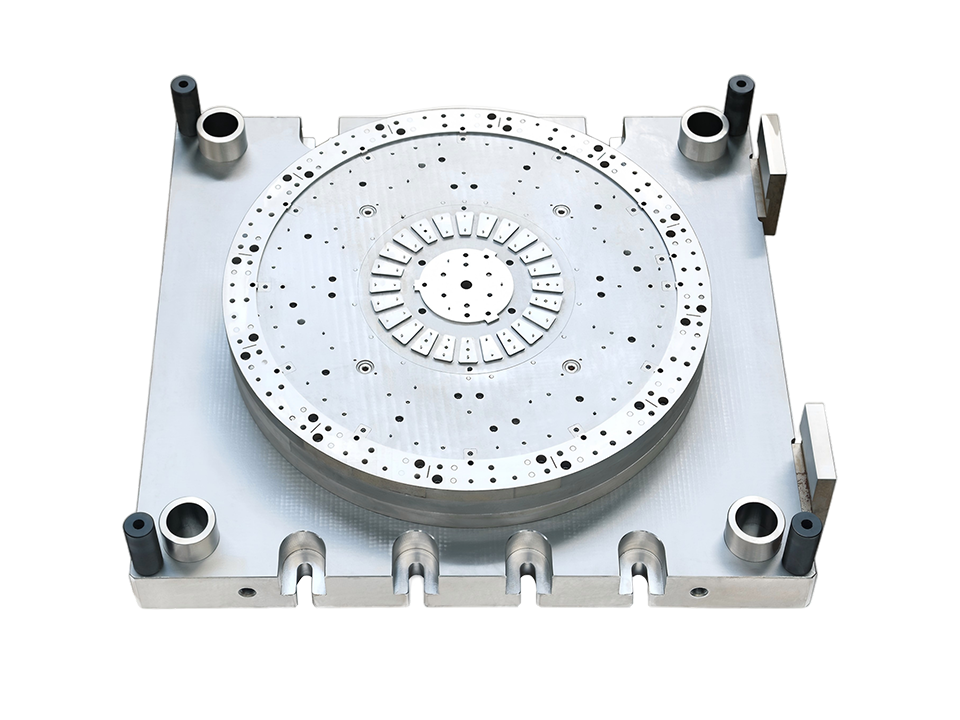
OPTIMIZED FOR SINGLE-HIT PRECISION
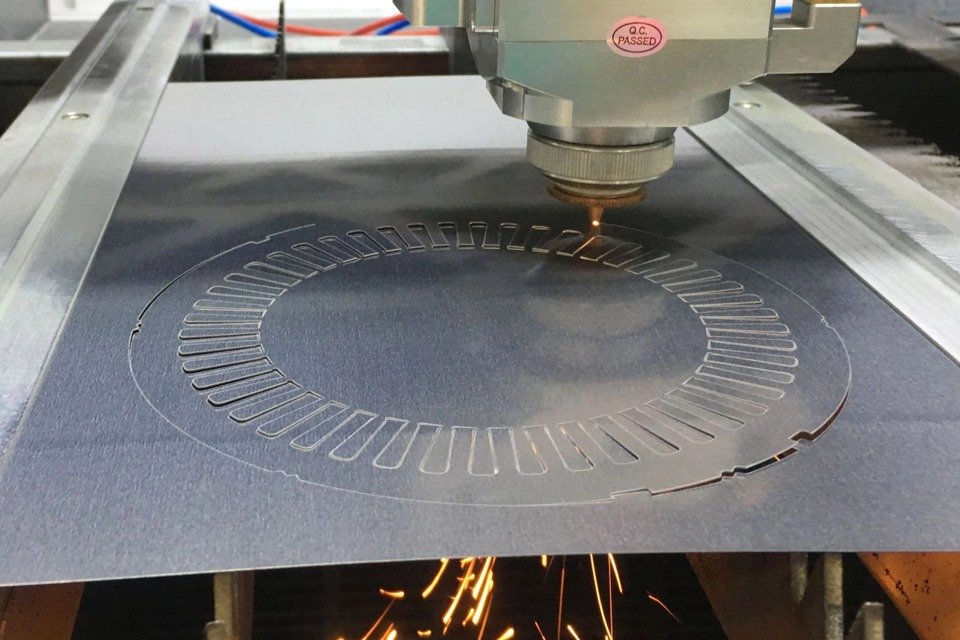
Engineered for small-to-medium volume production and large-diameter laminations. Our compound dies perform blanking and piercing simultaneously in a single press stroke, delivering exceptional ±0.005mm concentricity. Manufactured using our 100% in-house precision machining capabilities, they provide a highly cost-effective alternative to high-speed progressive dies.
SINGLE-STROKE SIMULTANEOUS STAMPING
SINGLE-HIT PRECISION
EXCEPTIONAL FLATNESS
FLAWLESS COMPOUND STAMPED LAMINATIONS
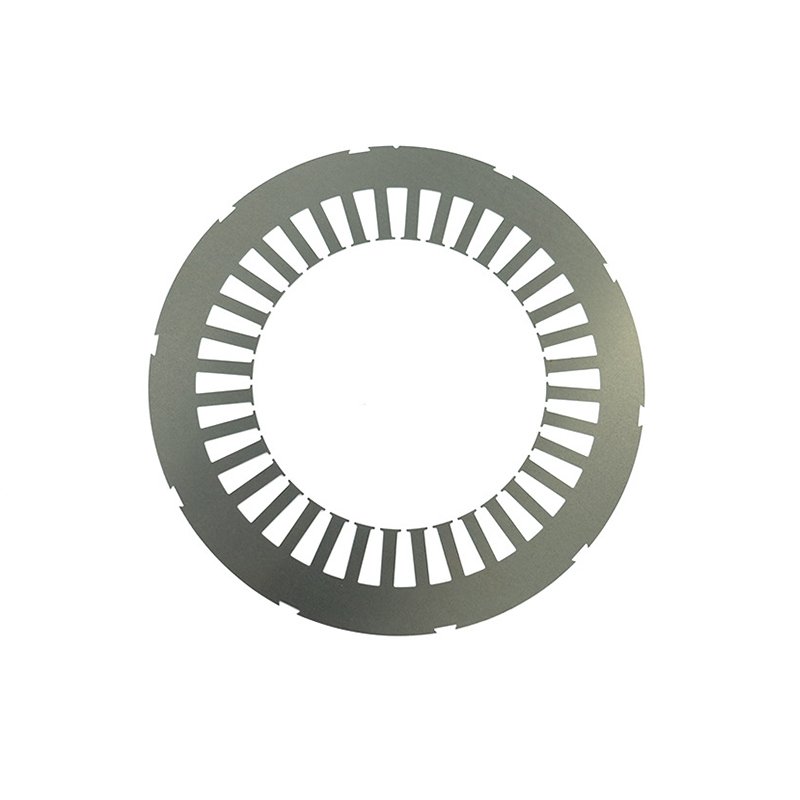
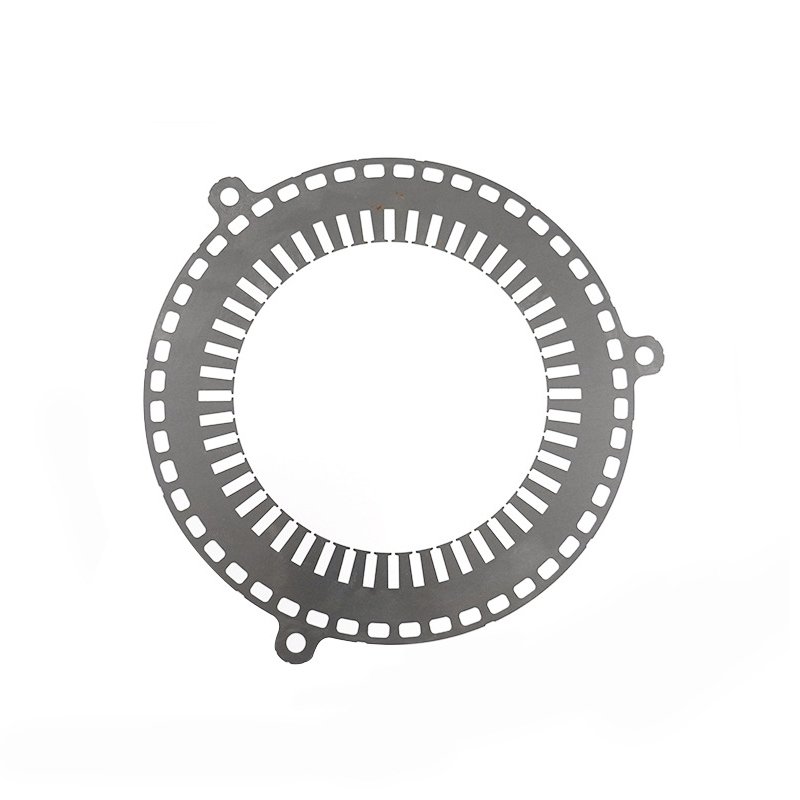
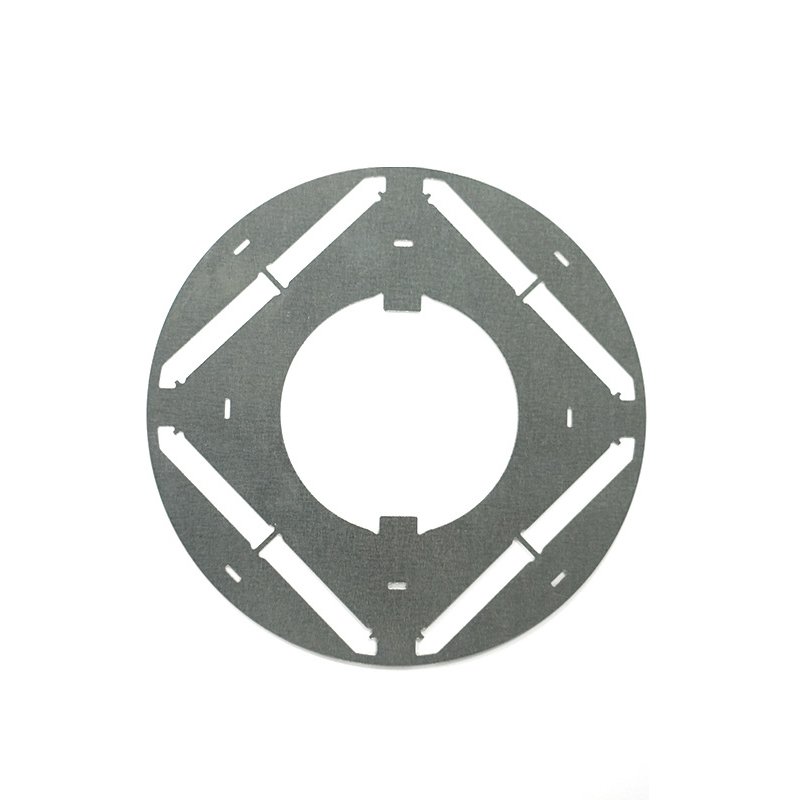
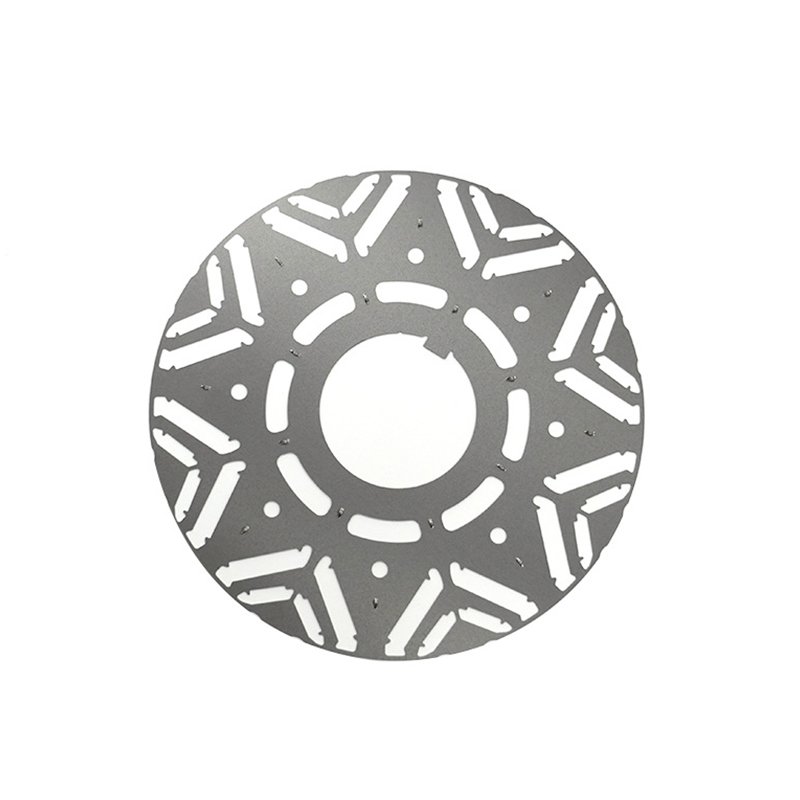
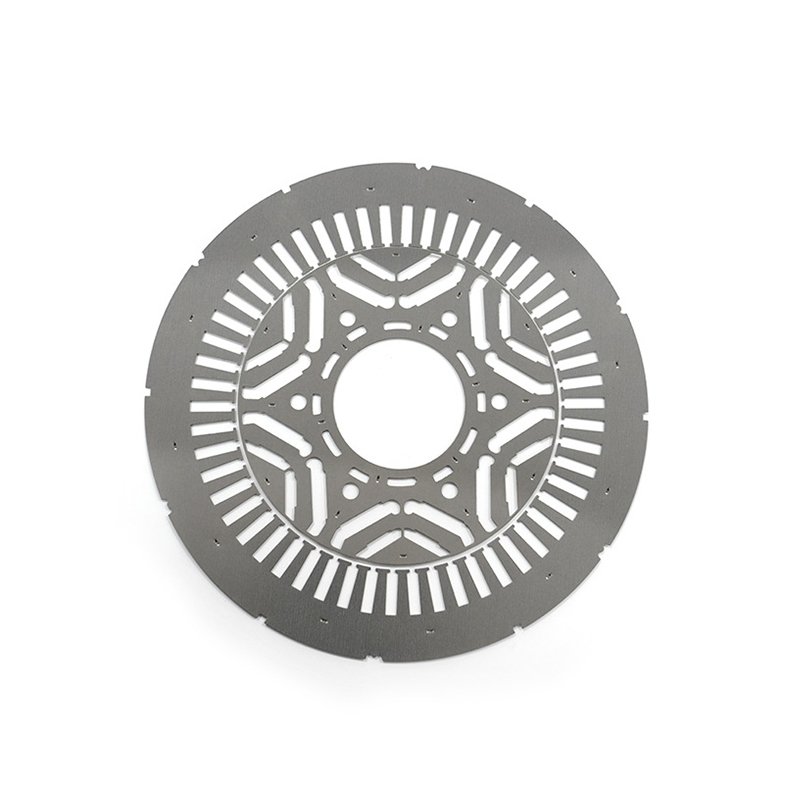
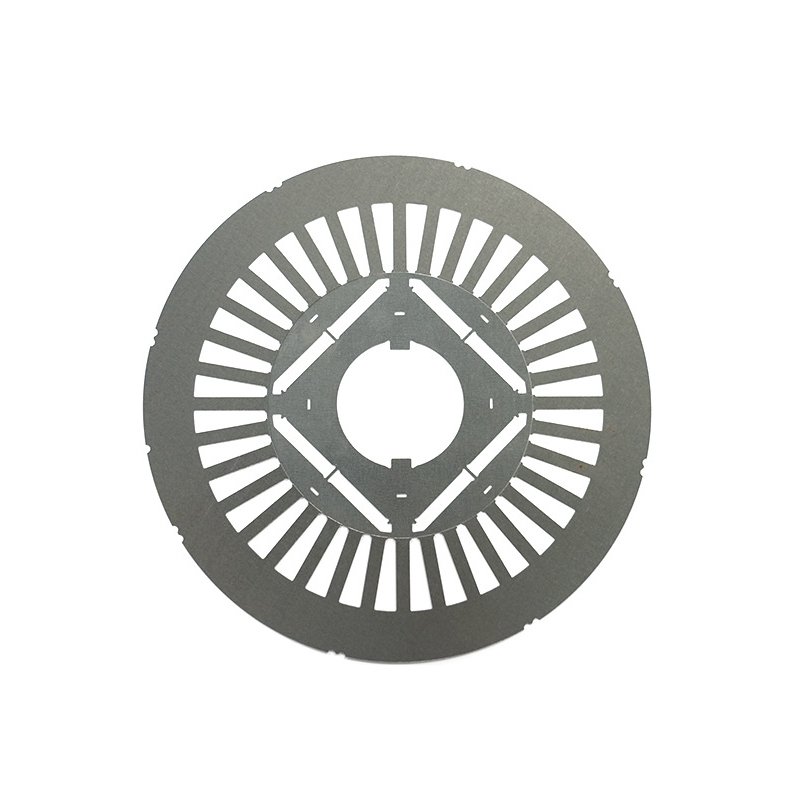
COMPOUND DIE VS. PROGRESSIVE DIE: WHICH FITS YOUR MOTOR PROJECT?
Production Volume & SPM Speed
Initial Tooling Investment
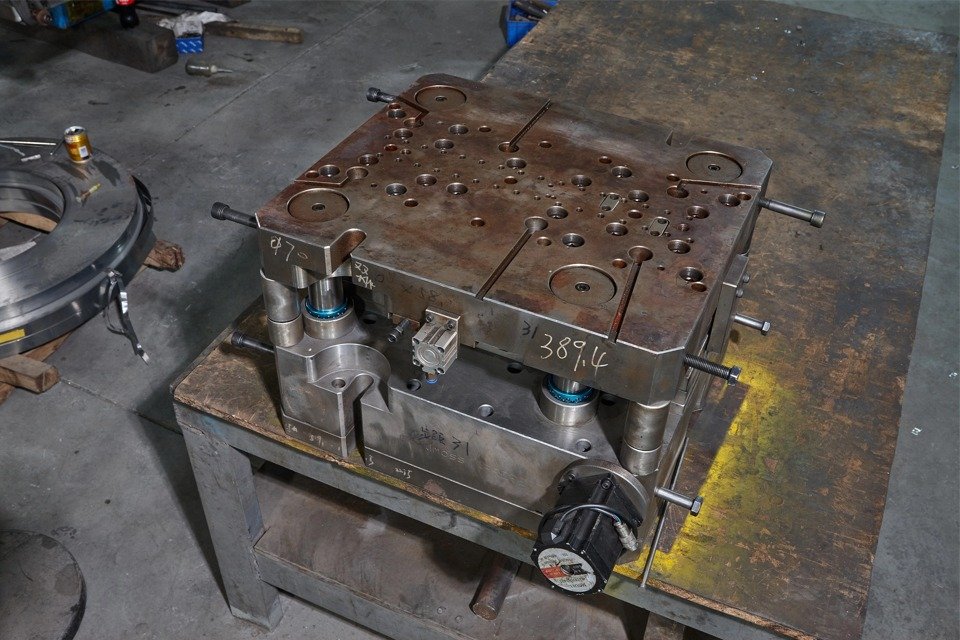
Concentricity & Lamination Size
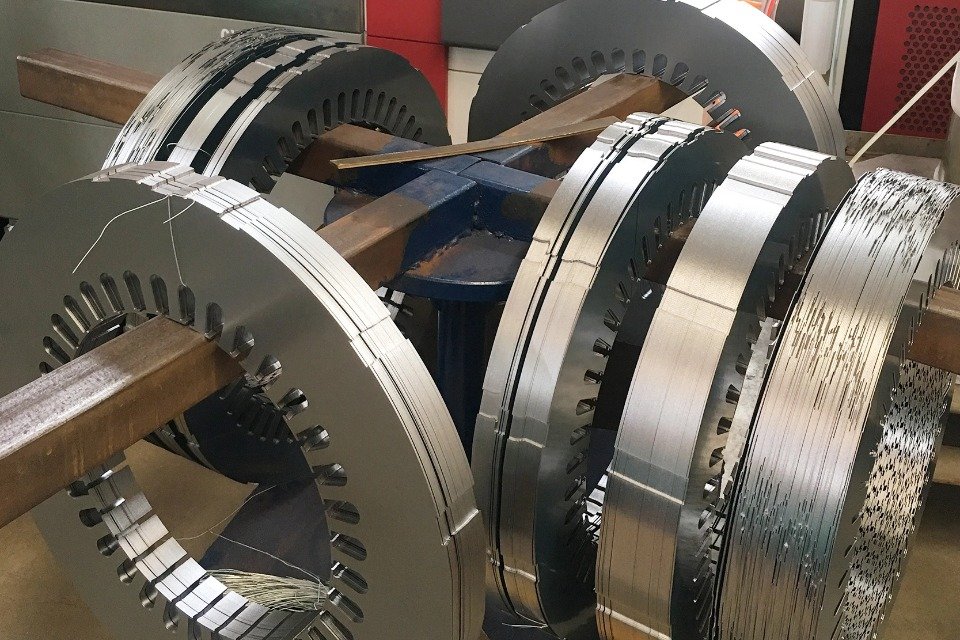
Stacking & Secondary Operations
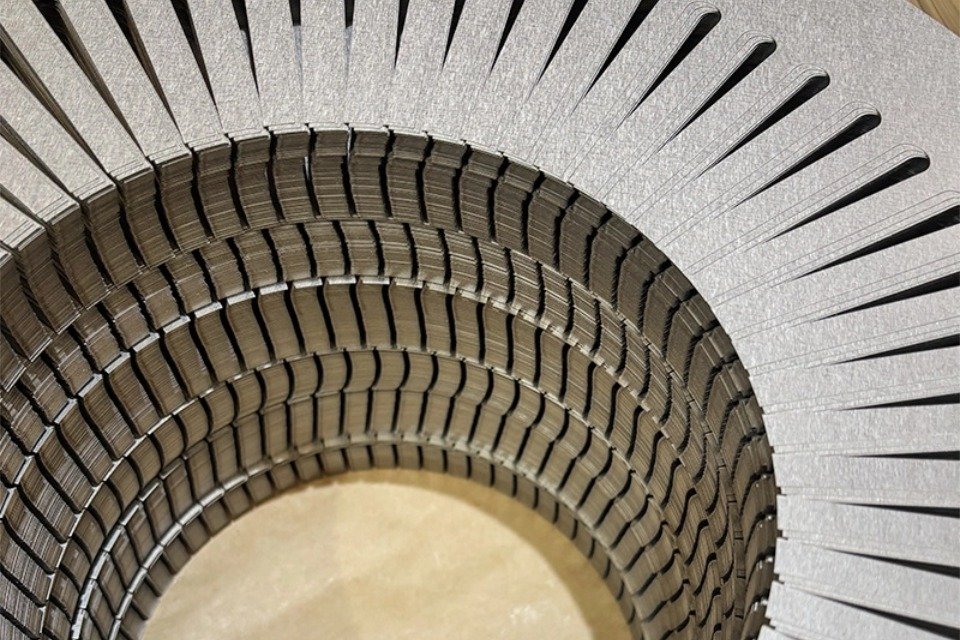
PRECISION COMPOUND TOOLING FOR DIVERSE MOTOR INDUSTRIES
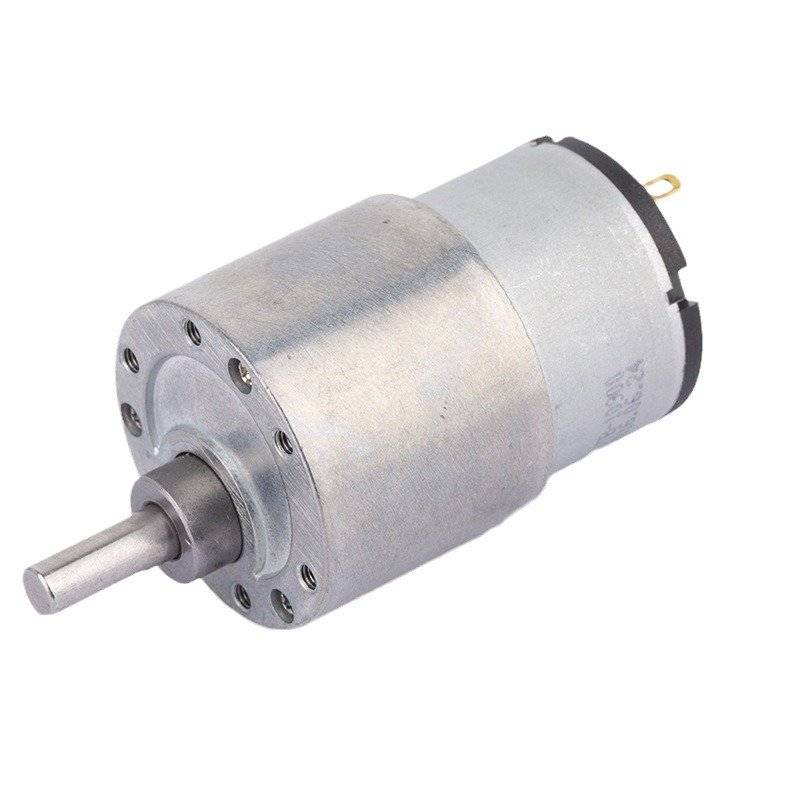
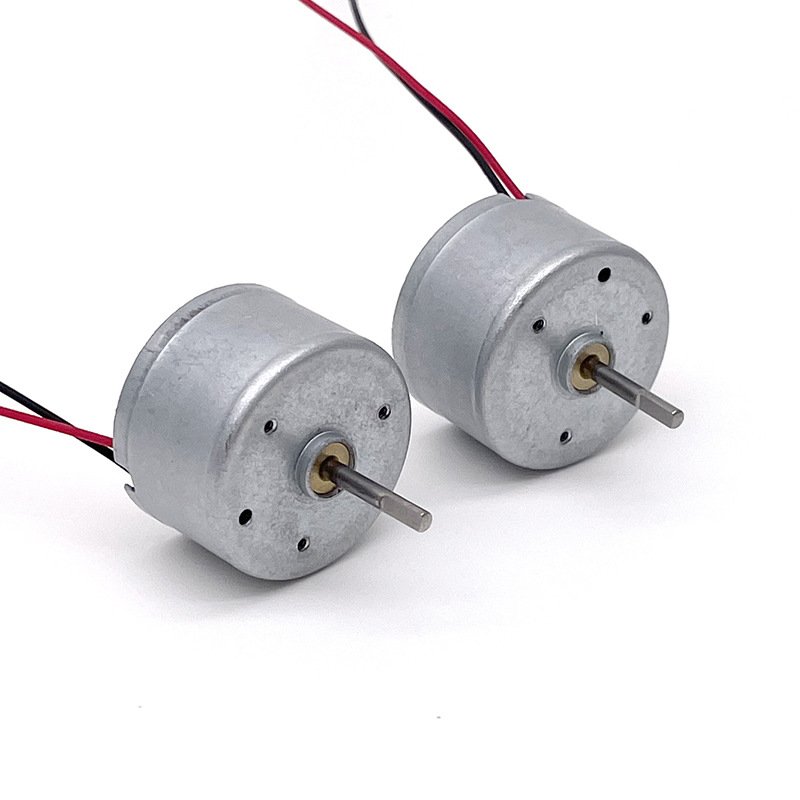
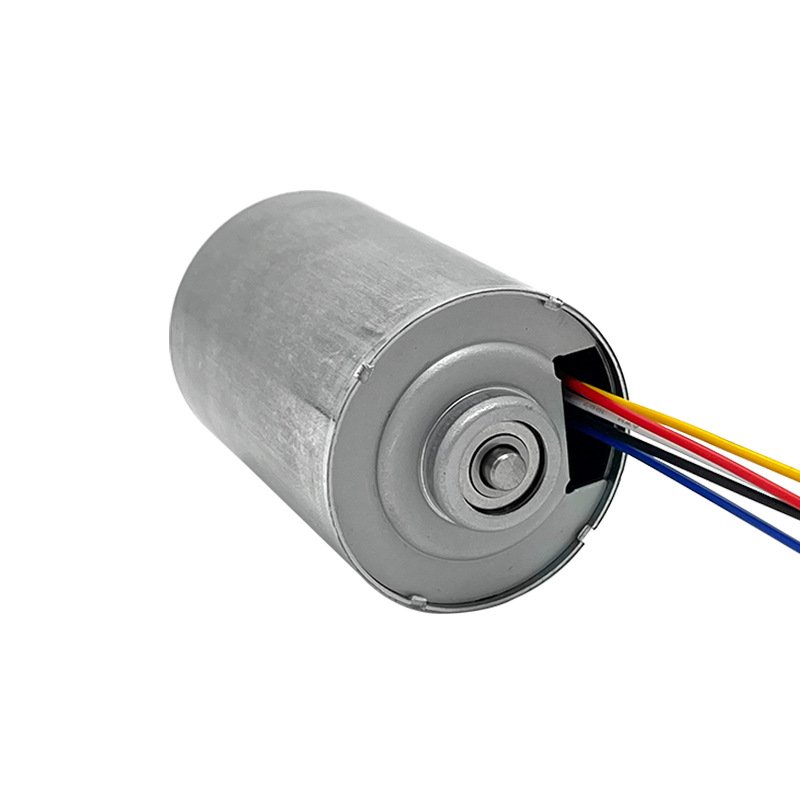
Engineered for cost-effective production of medium-to-large electrical steel laminations. Our compound dies deliver superior concentricity and razor-thin burr tolerances across various sectors—from industrial motors and compressor motors to heavy-duty generators. For ultra-high-speed continuous runs, you can also explore our high-speed progressive dies.
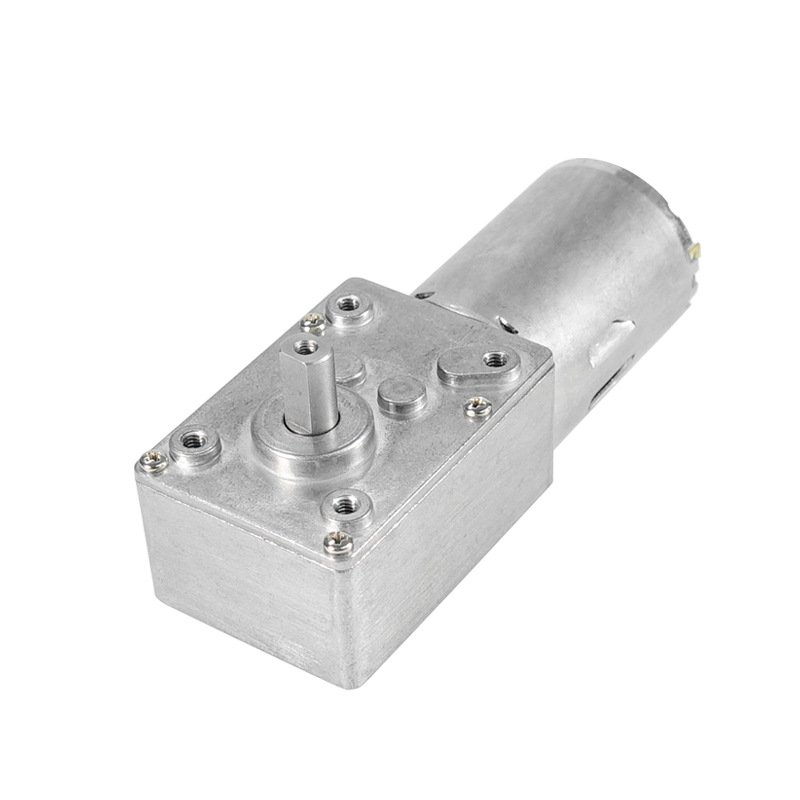
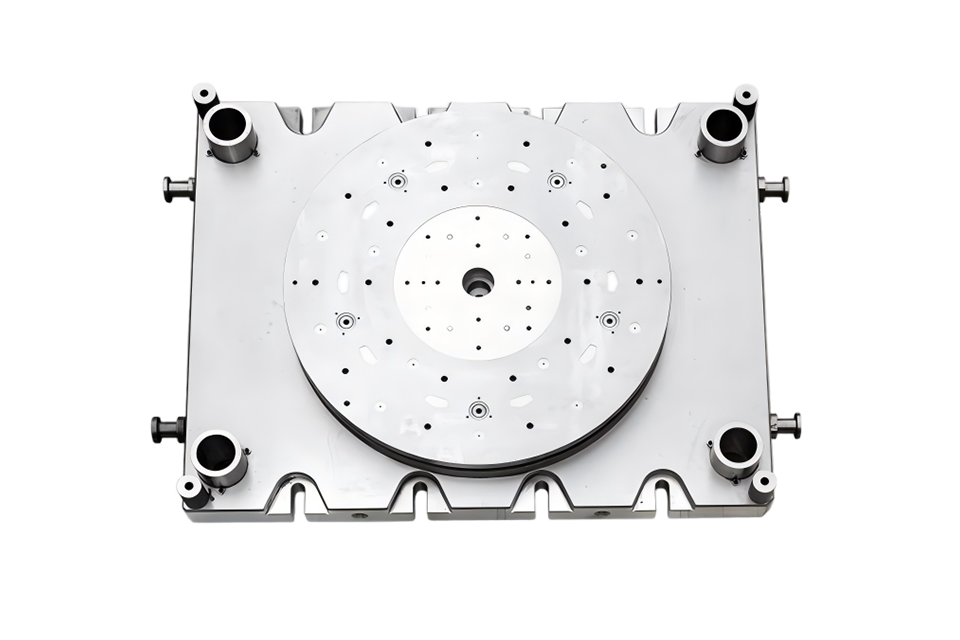
PRECISION COMPOUND SPARE PARTS & TOOLING MAINTENANCE
EXPERT ANSWERS ON COMPOUND DIE STAMPING
What is the main advantage of a compound die over a progressive die for motor cores?
The primary advantage is absolute concentricity. Because the inner shaft hole and outer diameter are punched simultaneously in a single stroke, cumulative pitch errors are eliminated. Additionally, compound dies have a significantly lower initial tooling cost, making them ideal for small-to-medium production runs and large industrial motors.
What is the maximum lamination diameter your compound dies can stamp?
We specialize in both standard and large-format tooling. Our compound dies can easily handle large-diameter stator and rotor laminations exceeding 300mm to 500mm, which are commonly used in heavy-duty generators, industrial pumps, and commercial HVAC systems.
How do you guarantee the concentricity and flatness of the laminations?
We process all matrix inserts and punches using our in-house Sodick wire-cut EDMs. This ensures sub-micron clearance between the punch and die, resulting in burr-free, perfectly flat electrical steel laminations with concentricity tolerances as tight as ±0.005mm.
Can compound dies perform automatic lamination stacking (interlocking)?
No, compound dies produce loose laminations (single sheets) in each stroke. For stacking, these laminations require secondary operations such as argon arc welding, cleating, or aluminum pressure die-casting. If your project requires in-die automatic interlocking, we highly recommend exploring our high-speed progressive dies.