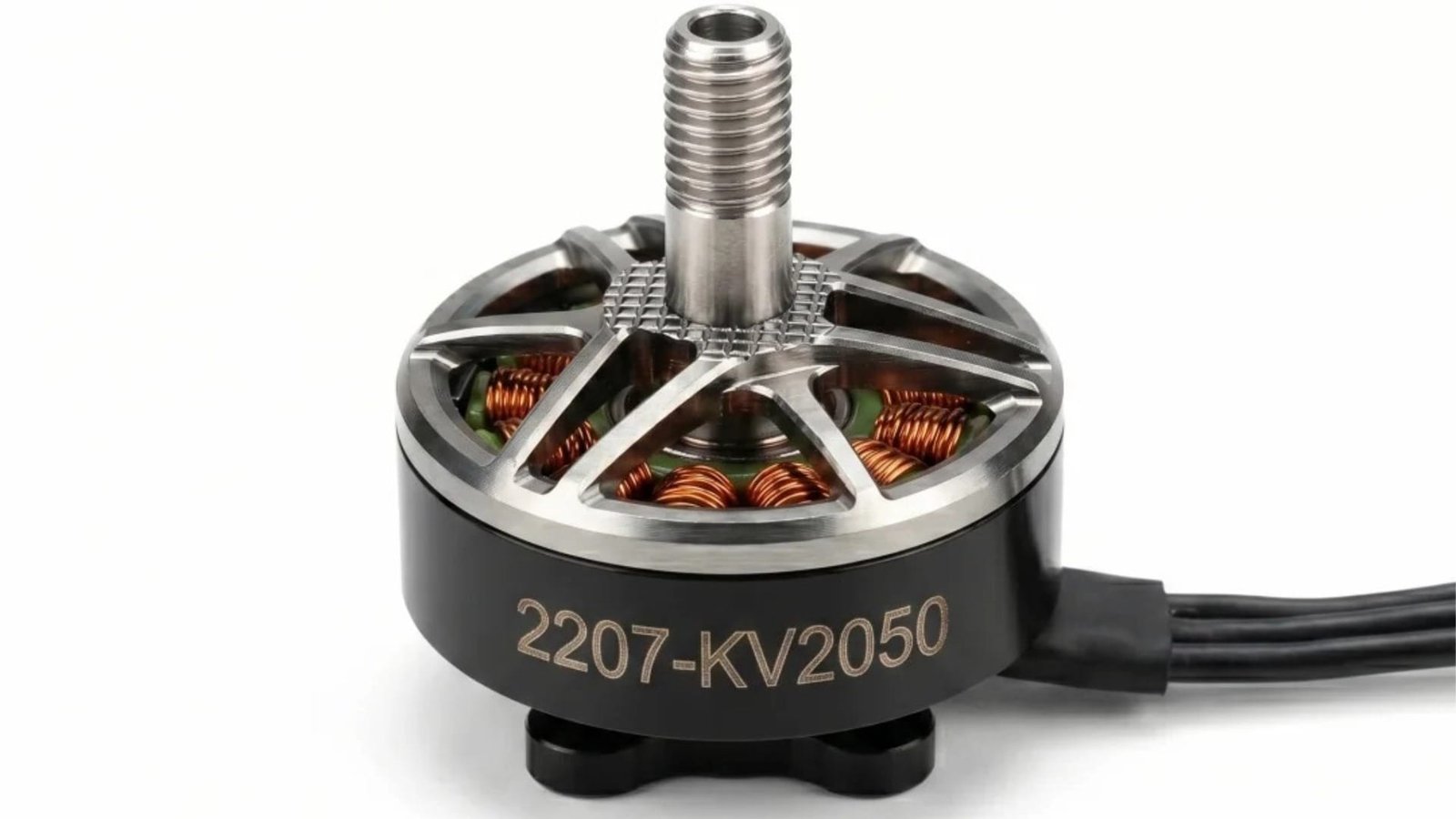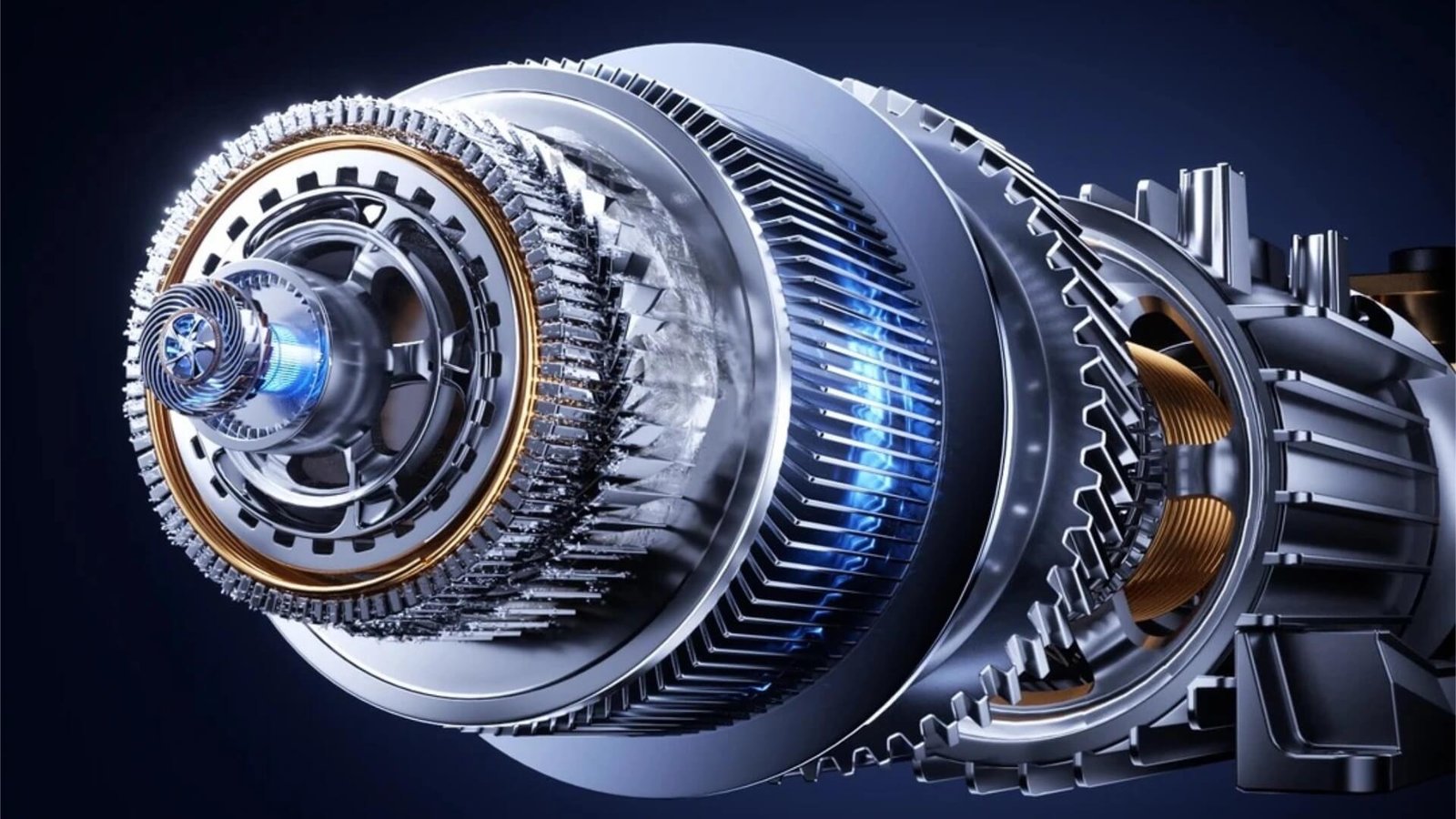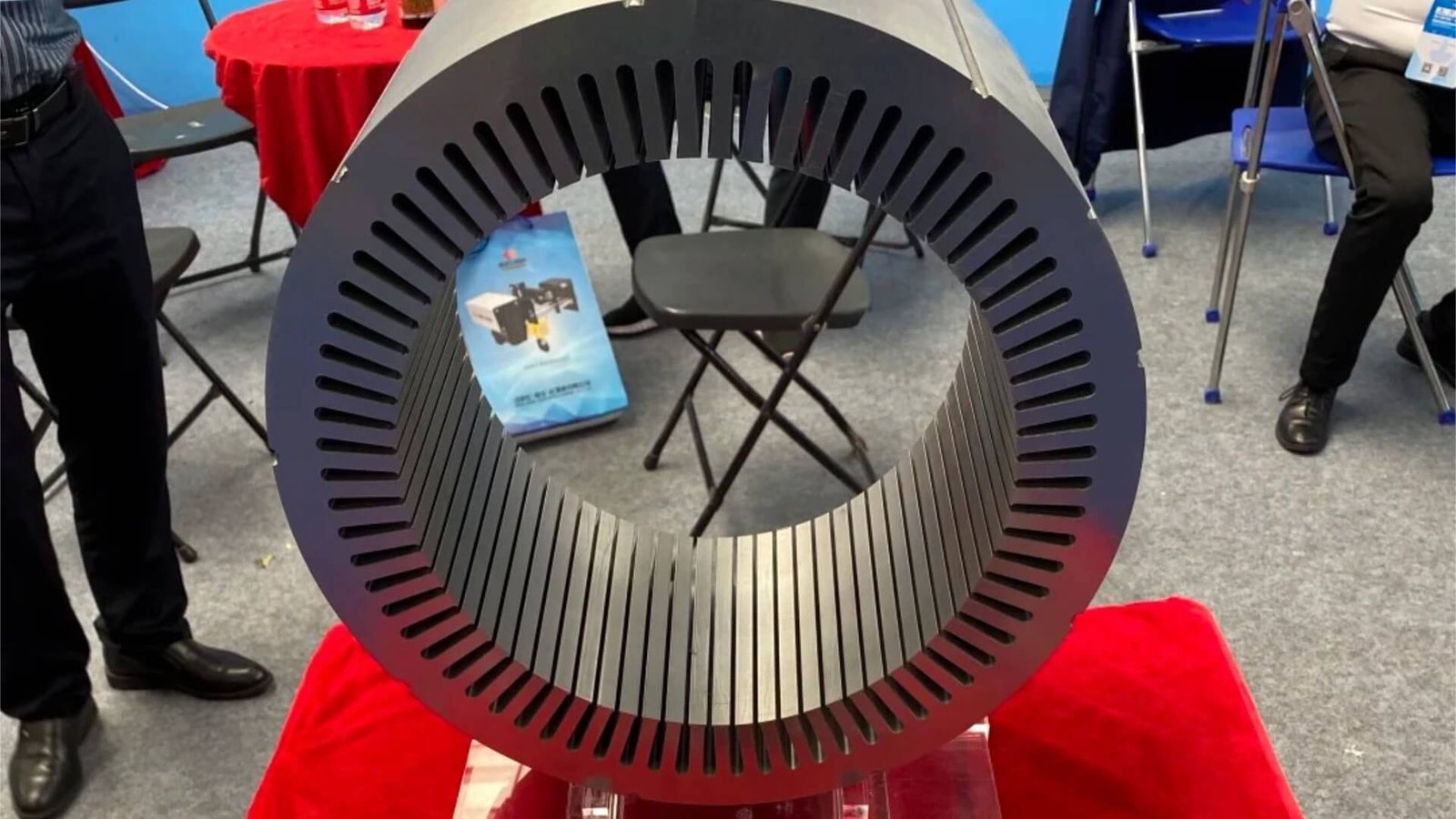
Home appliance motors are the silent servants of modern life. They spin the drums of washing machines, circulate water through dishwashers, generate the suction in vacuum cleaners, and drive the blades of food processors. They are produced in staggering quantities — hundreds of millions of units annually — and they are expected to operate quietly, efficiently, and reliably for years, often in the presence of families going about their daily lives.
From a tooling perspective, home appliance motors present a deceptive engineering challenge. On the surface, they appear simpler than EV traction motors or precision servo systems. But beneath that apparent simplicity lies a demanding combination of requirements: extremely low noise, high efficiency, compact dimensions, and relentless cost pressure. The motor core die must deliver precision and consistency while enabling high-speed, high-volume production — and it must do so at a price point that keeps the final appliance affordable.
This article examines the design challenges, material considerations, and proven solutions for home appliance motor core stamping dies. Whether you are producing washing machine drive motors, dishwasher circulation pumps, or vacuum cleaner suction motors, this guide will help you understand the factors that separate reliable tooling from mediocre alternatives. Visit our Home Appliance Motor solutions page for additional context on our capabilities in this segment.
1. The Hidden Engineering Challenge of Home Appliance Motors
Home appliance motors operate in an environment unlike any other motor type. They are embedded in products that live in people’s homes, often running at night, in close proximity to bedrooms and living spaces. Their performance requirements are shaped by this reality:
- Low noise: A washing machine that rumbles or a vacuum cleaner that screams will not survive in the market. Noise and vibration are among the most important quality parameters for home appliances, directly affecting consumer satisfaction and brand reputation.
- High efficiency: Energy efficiency regulations have driven continuous improvement in appliance motor performance. Every percentage point of efficiency gain requires corresponding precision in the motor core to minimize iron losses and maximize magnetic performance.
- Long service life: Household appliances are expected to operate reliably for 10–15 years. The motor core must maintain its magnetic and mechanical properties throughout that lifespan.
- Cost sensitivity: The home appliance market is fiercely price-competitive. Motor manufacturers must achieve high precision and reliability while keeping tooling costs and per-part costs as low as possible.
These competing demands create a unique tooling challenge. The die must produce laminations with tight tolerances to minimize noise and maximize efficiency, yet the tooling cost must be controlled to keep the final product affordable. At ZHIXIANG, we have built home appliance motor core dies for leading manufacturers worldwide, and our die design and engineering team understands this balance intimately.
2. Key Characteristics of Home Appliance Motor Cores
Home appliance motor cores span a wide range of sizes and configurations, reflecting the diversity of appliances they serve.
Size range and motor types
| Appliance Type | Motor Type | Typical Stator OD | Stack Height |
|---|---|---|---|
| Vacuum cleaner | Universal / BLDC | 30–60mm | 20–50mm |
| Food processor / blender | Universal / BLDC | 40–70mm | 25–60mm |
| Dishwasher circulation pump | BLDC / Induction | 50–80mm | 30–70mm |
| Washing machine (belt-drive) | Induction / BLDC | 80–150mm | 80–200mm |
| Washing machine (direct-drive) | BLDC (outer rotor) | 150–250mm | 50–150mm |
The size range is enormous — from small 30mm vacuum cleaner stators to large 250mm direct-drive washing machine rotors. Each size class presents different die design challenges.
Silicon steel grades and thicknesses
Home appliance motors predominantly use medium-thickness silicon steel:
| Efficiency Class | Typical Thickness | Common Grades |
|---|---|---|
| Standard | 0.50mm | 50A470, 50W470 |
| High efficiency | 0.35mm | 35A300, 35W300 |
| Premium (inverter-driven) | 0.27–0.35mm | 27A230, 35A300 |
The trend toward inverter-driven appliances — washing machines, air conditioners, refrigerators — is gradually shifting production toward thinner gauges for higher efficiency. Our article on silicon steel grade and insulation coating impact provides detailed guidance on material selection and its effect on die design.
Slot geometry and special features
Home appliance motor stators typically feature:
- Semi-closed slots to balance winding insertion ease with magnetic performance.
- Moderate slot counts — typically 12–36 slots, depending on motor size and type.
- Specialized rotor geometries for specific applications: skewed slots for noise reduction, asymmetric poles for cogging minimization.
- Ventilation features in some larger motor designs for cooling.
Stacking methods
Home appliance motor cores use several stacking methods:
- Auto-interlocking (self-riveting): The most common method for high-volume production of smaller motor cores.
- Welding: Used for larger cores, particularly washing machine stators where structural integrity is critical.
- Gluing (self-adhesive bonding): Growing in popularity for premium efficiency motors, particularly inverter-driven applications.
- Mechanical fastening (bolts/rivets): For large direct-drive motors where in-die stacking is impractical.
The choice of stacking method directly affects die design, as each requires different tooling features and station configurations.
3. Motor Types in Home Appliances and Their Die Requirements
Home appliances use several distinct motor types, each with unique tooling implications.
Traditional induction motors
Washing machines, dryers, and some dishwasher models use conventional induction motors. These motors are relatively simple in design, with larger air gaps and moderate precision requirements. Their laminated cores are typically produced with tool steel dies in medium-to-large sizes.
Die requirements: Robust construction for medium-volume production, standard tolerances, cost-effective materials. A motor core compound die may be appropriate for larger frame sizes, while a motor core progressive die suits higher volumes.
Universal motors (series-wound)
Vacuum cleaners, food processors, and some mixer applications use universal motors that operate at very high speeds (15,000–30,000 RPM). These motors require small stators with 12–16 slots and are produced in very high volumes.
Die requirements: Compact progressive dies with high-speed capability (400–600 SPM). The small size and high volume make carbide cutting edges economically attractive. The principles we discussed in our power tool motor core die design article apply directly, as power tools use similar universal motors.
BLDC motors
Modern premium appliances increasingly use BLDC motors for their efficiency, controllability, and long life. Washing machines, dishwashers, and high-end vacuum cleaners feature BLDC drives. These motors demand tighter tolerances, better air gap concentricity, and often use thinner silicon steel (0.27–0.35mm).
Die requirements: Carbide cutting components, precision guidance, and optimized auto-stacking stations. Our article on BLDC motor core die design provides a comprehensive treatment of these requirements.
Direct-drive motors
High-end washing machines increasingly use direct-drive BLDC motors, eliminating the belt and pulley system. These are outer-rotor designs with large diameters (150–250mm) and relatively short stack heights. They require excellent concentricity for smooth, quiet operation.
Die requirements: Large-diameter dies with precise concentricity control. The large size creates structural rigidity challenges similar to those discussed in our industrial motor core die design article, while the precision requirements align with BLDC standards.
4. Design Challenges in Home Appliance Motor Core Dies
Noise control through lamination precision
Noise is the most visible (or audible) quality parameter for home appliance motors. A noisy washing machine or vacuum cleaner will generate customer complaints and brand damage. Motor noise originates from multiple sources:
- Cogging torque from magnetic asymmetry in the motor core, caused by inconsistent slot geometry or air gap variation.
- Mechanical imbalance from rotor eccentricity.
- Electromagnetic noise from harmonic interactions between stator and rotor.
The die’s role in noise control is to produce laminations with consistent geometry, uniform air gap, and precise stacking alignment. Even small variations — a few microns in slot width or air gap concentricity — can produce measurable increases in noise and vibration. Our article on reducing burr height in motor lamination stamping discusses how burr control contributes to noise reduction, and our article on common motor lamination stamping defects covers the full range of quality issues that affect noise.
Efficiency requirements
Energy regulations for household appliances have tightened significantly over the past decade. From the EU’s energy labels to the US Department of Energy’s efficiency standards, appliance manufacturers face continuous pressure to improve motor efficiency.
Efficiency improvements come from multiple sources: better silicon steel grades, thinner laminations, improved stacking factors, and tighter air gap control. The die’s role is to enable these improvements by producing laminations with:
- High stacking factor: Laminations pack tightly together, maximizing magnetic core density. This requires flat, burr-free surfaces.
- Precise air gap: The gap between stator and rotor must be small and consistent to minimize magnetic losses.
- Clean edge quality: No edge damage or burrs that would increase interlaminar eddy currents.
Cost pressure and tooling economics
The home appliance market’s cost sensitivity creates unique tooling challenges. The die must deliver the required precision while keeping initial cost and ongoing maintenance costs in check.
This often means hybrid material strategies: carbide at the highest-wear cutting stations, PM tool steel for medium-wear components, and conventional tool steel for structural parts. The cost analysis framework in our article on motor core stamping die cost provides a structured approach to optimizing this balance.
High-speed production and die longevity
Home appliance motor production volumes are enormous — a single washing machine platform may produce 5 million units annually. This demands high stamping speeds (300–500 SPM) and long die life (100 million strokes or more between major refurbishments).
The high-speed challenges are discussed in our article on high-speed stamping die design optimization. The die longevity strategies are covered in our article on extending motor lamination die life. Both apply directly to home appliance motor production.
Slender punch guidance
Many home appliance stators have narrow teeth and small slot openings, requiring slender punches. The guidance strategies are the same as those detailed in our BLDC motor core die design article: stepped punch designs, fully guided strippers, and carbide material selection. The scale is somewhat larger than power tool motors but smaller than industrial motors, requiring a balanced approach.
5. Tool Material and Coating Selection for Home Appliance Motor Dies
Material selection for home appliance motor dies balances performance with cost.
Tungsten carbide for high-volume cutting components
For high-volume BLDC and universal motor production, sub-micron grain tungsten carbide is the standard for cutting punches and die inserts. The reasons are consistent across all motor types:
- Wear resistance against abrasive silicon steel coatings
- Stiffness to prevent deflection of slender punches
- Thermal stability for high-speed operation
- Dimensional stability for consistent clearances
Our tungsten carbide stamping die page details our carbide technology and its applications.
PM tool steel for structural and medium-wear components
Powder metallurgy tool steels like ASP23 and VANADIS 4 offer an excellent cost-performance balance for structural components and medium-wear applications. They are significantly less expensive than carbide while providing better wear resistance and toughness than conventional tool steels.
Conventional tool steel for large structural elements
For large die plates, die shoes, and other structural components, conventional tool steels like D2 and DC53 remain cost-effective. These components see less direct wear but must be robust enough to provide the rigidity the die requires.
Coating selection
The insulation coating on the silicon steel — typically C5 semi-organic for home appliance materials — dictates the optimal die coating:
- TiCN: Good for abrasive coatings at standard speeds.
- TiAlN: Superior for high-speed operation where thermal stability matters.
- CrN: Effective for anti-galling properties.
- DLC: Best for adhesive-prone coatings and premium applications.
Our article on advanced surface treatments for motor core dies provides comprehensive coating selection guidance.
A typical material strategy for a home appliance motor die
| Component | Material | Coating | Rationale |
|---|---|---|---|
| Stator slot punches | Carbide (WC-8Co) | TiAlN | High wear, high speed |
| Rotor pole punches | Carbide (WC-8Co) | DLC | High wear, thin material |
| Die inserts (cutting) | Carbide (WC-10Co) | TiCN | Abrasive resistance |
| Stripper guide inserts | PM steel (ASP23) | CrN | Load-bearing, anti-galling |
| Guide posts/bushings | Bearing steel | CrN | High-frequency sliding |
| Die plates | Tool steel (DC53) | — | Structural support |
| Punch retainers | Tool steel (D2) | — | Structural support |
6. Progressive Die Design for Home Appliance Motor Cores
Most home appliance motor cores are produced using a motor core progressive die. The progressive architecture offers the speed, precision, and integration capability essential for high-volume appliance production.
Strip layout and station arrangement
A typical home appliance progressive die follows the same general sequence as other motor core dies:
- Piloting and pre-piercing: Pilot holes for precise strip positioning, rotor shaft holes, and ventilation features.
- Rotor slot notching: Rotor slots cut progressively over multiple stations.
- Stator slot cutting: Stator slots cut in stages to reduce punch load and improve edge quality.
- Rotor blanking and stacking: Rotor blanked from the strip, with auto-stacking if required.
- Stator blanking and stacking: Finished stator blanked and stacked, with interlocking dimples formed and stack height controlled.
The exact station count depends on the slot count and feature density. A 24-slot washing machine stator might require 14–18 stations, while a 12-slot vacuum cleaner stator might use 10–12 stations.
Auto-stacking station design
Auto-interlocking is the dominant stacking method for home appliance motor cores. The interlocking station must form dimples with precise depth and geometry, then stack the laminations with correct rotational alignment and stack height.
Key design elements include:
- Optimized interlocking geometry for the specific material thickness and stacking force.
- Robust interlocking punches in carbide with appropriate cobalt content.
- Precision stack counting for consistent stack height.
- Rotational alignment features to maintain lamination orientation.
For some appliance applications — particularly premium inverter-driven motors — gluing is preferred over interlocking. The die must then produce flat, adhesive-ready surfaces without interlock dimples. We covered the interlocking versus gluing decision in our article on EV motor core die design, and the principles apply equally to home appliance motors.
Quick-change systems for high-volume maintenance
Home appliance motor production often runs 24/7, making maintenance efficiency critical. Quick-change punch systems allow worn components to be replaced in minutes without removing the die from the press:
- Ball-lock punch retainers for rapid insertion and removal.
- Modular die insert designs for individual station replacement.
- Precision-ground spare components that drop in without adjustment.
These features minimize downtime and keep the die running at peak performance. Our article on preventive maintenance provides a complete framework for maintenance planning in high-volume operations.
7. Achieving Low Noise and High Efficiency Through Precision Tooling
The connection between die precision and appliance motor performance is direct and measurable. A die that produces laminations with tighter tolerances will deliver a motor that runs quieter and more efficiently.
Air gap concentricity and noise
The air gap in a home appliance motor is the radial space between stator and rotor. Its consistency directly affects:
- Cogging torque: Uneven air gap produces periodic torque variations, which translate to audible noise and vibration.
- Electromagnetic force distribution: Non-uniform air gap creates unbalanced magnetic forces, exciting mechanical resonances.
- Efficiency: A non-uniform air gap increases magnetic losses, reducing motor efficiency.
For a washing machine motor with a nominal air gap of 0.35mm, a concentricity error of 0.05mm represents a 14% variation in magnetic flux distribution — enough to produce measurable noise increase and efficiency loss. Achieving concentricity within ±0.02mm requires meticulous die construction and alignment.
Lamination flatness and stacking factor
The stacking factor — the ratio of actual magnetic material to theoretical maximum — directly affects motor efficiency. A higher stacking factor means more iron in the core, reducing magnetic reluctance and improving performance.
Lamination flatness is critical for achieving high stacking factor. Camber, edge wave, and residual stress all degrade flatness and reduce stacking factor. Our article on silicon steel grade and insulation coating impact discusses the material and process factors that affect flatness.
Burr control and insulation integrity
Burrs damage the insulation coating between laminations, creating paths for interlaminar eddy currents. These currents generate heat and reduce motor efficiency. Maintaining burr height below the specified tolerance — typically 0.010–0.015mm for home appliance motors — preserves insulation integrity and motor performance.
The measurement and control strategies in our article on reducing burr height in motor lamination stamping apply directly to home appliance motor production. Consistent burr control is a hallmark of a well-designed and well-maintained die.
The role of quality control
Achieving these precision standards requires rigorous quality control throughout the die manufacturing process. Our quality control team verifies every die component and every assembled die against documented specifications, ensuring that the tool delivers the precision required for quiet, efficient appliance motors.
8. Case Example: Washing Machine Direct Drive Motor Core Die
To illustrate these principles in practice, consider a recent home appliance motor core die project for a direct-drive washing machine:
Motor specifications:
- Motor type: Outer-rotor BLDC direct-drive
- Stator OD (inner): 180mm
- Rotor OD (outer): 220mm
- Stator slots: 36
- Rotor poles: 48
- Silicon steel: 0.35mm 35A300 (2.2% Si)
- Insulation coating: C5 semi-organic
- Stacking: Auto-interlocking for stator, glued rotor
- Air gap requirement: 0.40mm ±0.030mm
- Burr requirement: ≤0.015mm
- Noise target: ≤42 dB(A) at 1000 RPM
- Production volume: 3 million motors/year
- Target speed: 350 SPM
Die specifications:
| Parameter | Specification | Rationale |
|---|---|---|
| Die type | Progressive die, 18 stations | High volume, complex geometry |
| Die set size | 650mm × 650mm | Large diameter |
| Cutting components | Sub-micron tungsten carbide (WC-8Co) | Wear resistance, precision |
| Punch coating | TiAlN on stator punches | Thermal stability |
| Rotor pole coating | DLC | Low friction, thin material |
| Guidance | Ball-bearing guides + fully guided stripper | Zero-play at 350 SPM |
| Clearance (cold) | 0.020mm per side (5.7% t, thermally compensated) | Optimal running clearance |
| Lubrication | MQL vanishing oil, 8 ml/hour | Minimal residue |
| Auto-stacking | 8-dimple interlocking with stack counter | Reliable stack control |
| Rotor stacking | Glue-compatible flat surface | Premium efficiency design |
Performance results:
| Metric | Result |
|---|---|
| First tryout burr height | 0.005–0.009mm |
| Burr height at 50M strokes | 0.007–0.011mm |
| Air gap concentricity | 0.022mm (requirement ≤0.030mm) |
| Slot width variation | ±0.004mm |
| Stack height variation | ±0.05mm |
| Motor noise (production sample) | 39 dB(A) at 1000 RPM (target ≤42) |
| Motor efficiency | 87.5% (target ≥86%) |
| First regrind | At 80 million strokes |
| Total projected die life | >250 million strokes |
This project — representative of our work with Home Appliance Motor customers — demonstrates that appliance motor core dies can achieve the precision required for quiet, efficient operation while maintaining the high speed and long life needed for cost-effective production. The motor exceeded its noise and efficiency targets, reflecting the die’s ability to produce laminations with consistent geometry and excellent surface quality.
9. Conclusion: Partnering for Home Appliance Motor Core Tooling Success
Home appliance motor core dies occupy a demanding position in the motor tooling landscape. They must deliver the precision required for quiet, efficient operation while meeting the cost constraints of a fiercely competitive market and the volume demands of mass production. Succeeding in this environment requires tooling that balances precision, speed, longevity, and economics.
At ZHIXIANG (motordie.com), we have built home appliance motor core dies for leading manufacturers worldwide. Our die design and engineering team understands the unique challenges of appliance motor tooling, our precision manufacturing capabilities ensure that every die component meets exacting tolerances, and our quality control process verifies performance before delivery.
Whether you are producing washing machine direct-drive motors at 350 SPM, vacuum cleaner universal motors at 500 SPM, or dishwasher BLDC motors in between, we have the experience and capability to deliver the tooling you need.
Ready to optimize your home appliance motor core tooling? Send us your lamination drawing, silicon steel specification, and production requirements. Our engineering team will provide a detailed technical proposal — including die type recommendation, material selection, and tolerance analysis — within 48 hours. Send your drawing today and let’s build the tooling foundation for your next home appliance motor platform.